Attention subscribers - we have launched a new website! Click here to create your website account for free access.

Proudly serving the Kern River Valley in California
Attention subscribers - we have launched a new website! Click here to create your website account for free access.
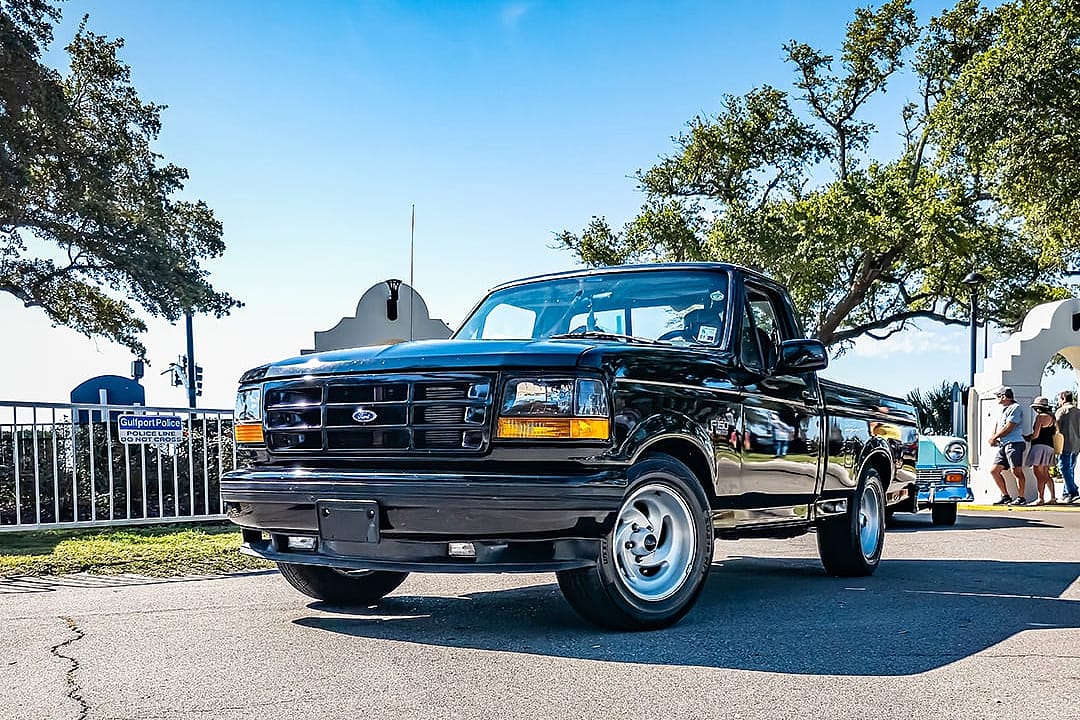

The 1990s were a transformative decade, fueled by technological advancements, political scandals, and the onset of the internet age. Looking back at automotive trends in the ’90s, there was a massive shift from mechanical systems to early electronic controls. Trucks, in particular, evolved rapidly during this era. Manufacturers began looking at pickups not only as bare-bones workhorses but also as effective all-around vehicles with luxurious amenities.
While modern trucks boast advanced driver aids and safety systems, massaging seats, and hybrid-electric powertrains, many gearheads argue that the ’90s produced some of the most iconic pickups ever built. Before widespread emissions complexity, overengineered tech, and overreliance on electronics, ’90s trucks showcased the perfect balance of rugged mechanical durability and modern refinement. There’s a reason that several pickups from the decade are still on the road today.
From legendary diesel engines like the 7.3L Power Stroke and 24V Cummins to early performance trucks and bulletproof midsizes, the 1990s gave truck lovers several icons that remain relevant and sought after today. In this article, RealTruck.com breaks down some of the best ’90s trucks, why they mattered then, and why they’re still admired decades later.
Not every pickup produced in the 1990s deserves legendary status. However, all the best examples of iconic ’90s pickups share some key traits that keep them relevant today.
Reliability
One of the largest draws of ’90s trucks is their proven track record for reliability. Simple electronics and robust mechanical durability deliver long service lives, with several ’90s diesels known to last nearly half a million miles. When it comes to reliable workhorses, the 1990s produced some of the best examples.
Performance
While ’90s trucks don’t boast the outlandish performance specs of modern trucks, they work. Diesels from the ’90s can tow houses off their foundations, hopped-up V8-powered sport trucks can hit 0–60 times that are still impressive to this day, and heavy-duty all-steel chassis can haul just about anything you can throw in the bed.
Durability
There’s something to be said about ’90s mechanical durability. From beefy all-steel frames and robust, fully-floating solid axles to turbo-diesel engines, the decade brought about some of the technology that’s still found today on heavy-duty pickups. In many ways, the ’90s helped usher in the modern age of trucks people know and love today.
Collectibility
Nowadays, ’90s trucks have become collectors’ items beloved for their timeless styling, cool factor, and limited supply. Whether an OBS Ford F-Series or a clean first-generation Tacoma, several ’90s trucks have only increased in value over the past decade, with some low-mileage examples selling for more than they did when they were new.
Aftermarket Support
One of the best aspects of owning a ’90s truck is the availability of parts—whether factory-replacement or aftermarket. With 30-plus years on the market, ’90s trucks have had a long history of support. Parts are typically only a quick online search or a call to the local parts store away.
History and Background
The OBS” (Old Body Style) Ford F-Series marked the final years before Ford’s shift to the more rounded, bulbous body styling of the 10th-generation F-250 and first-generation Super Duty. Produced from 1992–1997, the body style is regarded by many as the best-looking Ford pickup ever designed. Blending Ford’s classic, squared-off bodylines with a stylish, redesigned front-end and interior, the Aeronose F-Series quickly garnered the attention of truck enthusiasts upon its release.
However, 1995’s shift from the 7.3L IDI to the 7.3L Power Stroke marked the beginning of Ford’s domination in the light-duty truck market. Widely considered the best diesel engine (and potentially best engine) ever put in a Ford pickup, the 7.3L Power Stroke still holds a legendary status in the hearts of Ford fanatics.
Key Features and Specs
Why It Was Popular Then
Contractors, farmers, and fleets embraced the Ford F-Series, especially those packing the legendary 7.3L Power Stroke. Compared to competitors in the light-duty truck market, the Power Stroke offered strong performance and excellent longevity.
Why It’s Still Admired Today
Few engines have a reputation like the 7.3L Power Stroke. Known for half-a-million-mile lifespans, simple maintenance, and massive aftermarket support, this engine is one of the most popular ever installed in a pickup. Paired with the timeless styling of the ninth-gen F-Series, there's no question as to why these trucks still command a premium in today’s market.
What to Look For When Buying
The 7.3L Power Stroke-powered F-Series may be a reliable workhorse, but it’s not without issues. When considering purchasing a used example, look out for the following common problems:
History and Background
Long before electric pickups, Ford’s SVT Lightning debuted as a factory-built street truck, aimed at muscle car fans looking for more utility than the average Foxbody Mustang. The truck began with a two-wheel-drive, single-cab, short-bed F-150 and beefed up performance with sporty suspension, a hopped-up 5.8L Windsor V8, and body-colored bumpers and trim.
Key Features and Specs
Why It Was Popular Then
When the Lightning first debuted, it was fast, loud, flashy, and different from anything else on the market. As an era-defining performance pickup, the Lightning helped to spawn an entire movement of sport trucks.
Why It’s Still Admired Today
As one of the first factory sport trucks, early F-150 Lightnings are increasingly desirable. Only offered for three years, the Lightning is a rare piece of automotive history.
What to Look For When Buying
Lightnings were designed for performance, and if they were used as intended throughout their life, they have likely incurred some wear and tear from spirited driving sessions. If you’re looking to purchase a first-generation Lightning, look out for:
History and Background
1999 marked the birth of the Super-Duty line. Instead of adhering to a single body style as with previous generations of Ford pickups, the brand separated its half-ton and HD truck lines into two separate models—the F-150 and the F-250/F-350 Super Duty. The redesigned trucks featured all-new bodies, heavy-duty frames and axles, new interiors, and a robust design that screamed “heavy-duty truck.”
Key Features and Specs
Why It Was Popular Then
New body styles are often met with some pushback from die-hard fanatics. However, the redesigned Super Duty was a welcome addition to Ford’s lineup. After all, the pickup had retained the same cab design and several components for nearly two decades—since 1980. Working types appreciated the durability and power upgrades over OBS trucks, while the complete redesign made customers finally feel like they were buying a new Ford truck.
Why It’s Still Admired Today
The steel-body Super Duty, especially early models powered by the 7.3L Power Stroke, is still considered one of the best heavy-duty platforms ever built. They’re dependable, stylish, and have a massive aftermarket presence.
What to Look For When Buying
At its oldest, the 7.3L Super Duty is 27 years old. After so much time on the road, wear and tear are bound to rack up. When considering purchasing a 1999–2003 Super Duty, watch out for issues like:
History and Background
The second-gen Ram changed truck styling forever and introduced the world to the legendary P-pump 5.9L 12V Cummins and the 24V 5.9L Cummins engines. With a large grille, unique flared fenders, modern styling, and a robust diesel powertrain, the second-gen Cummins was an instant success.
Key Features and Specs
Why It Was Popular Then
Torque, simplicity, and bold styling set the second-generation Ram Cummins truck apart from its competitors. The truck kicked off the more rounded, bubbly styling that other brands adopted in the late ’90s, and even starred in feature films of the era, like “Twisters.”
Why It’s Still Admired Today
The 12V P-pump 5.9L Cummins is a nearly indestructible engine, renowned for lasting half a million miles, so long as minor issues, like the killer dowel pin (KDP), are addressed. With styling that still holds up today and a virtually indestructible powertrain, there’s no question as to why the second-gen Cummins is still a prominent player in the diesel world.
What to Look For When Buying
Though boasting a virtually indestructible engine, the second-generation Cummins still has some faults. Watch out for these common issues if you’re in the market for an older Dodge diesel.
History and Background
When GM was redesigning its iconic GMT-400 generation trucks, the new model had big shoes to fill. Fortunately, GM’s GMT-800 platform ushered in modern refinement without sacrificing durability or rugged good looks, making for a pickup that felt true to GM’s blue-collar spirit, but contemporary enough to keep up with other offerings on the market.
Key Features and Specs
Why It Was Popular Then
The GMT-800 platform perfectly balanced comfort, power, and reliability. Good looks, reliable engines, and solid performance made the GMT-800 one of the most popular pickups of all time—not just in the ’90s.
Why It’s Still Admired Today
LS engines are easy to modify, maintain, and source parts for. Often selected as first vehicles and work trucks, the GMT-800 provides reliable performance. Plus, they’re still relatively affordable compared to other entries on this list.
While renowned for their durability and longevity, GMT-800 trucks aren’t without faults. When looking to purchase a used Chevy or GMC pickup of this generation, keep an eye out for issues like:
History and Background
As North Americans began desiring larger, roomier, and more luxurious trucks, Toyota decided to make a shift. The reliable but basic Toyota Pickup was out, and the all-new redesigned Tacoma was in, providing a blueprint for midsize trucks for the foreseeable future.
Key Features and Specs
Why It Was Popular Then
The Toyota Tacoma hit all the marks upon its release, becoming the best-selling midsize truck in the United States almost immediately. Affordable, dependable, and perfect for daily driving and weekend tasks, the Tacoma quickly became a staple of American roadways.
Why It’s Still Admired Today
First-generation Toyota Tacomas are known for extreme longevity, especially with proper maintenance. They’re practically indestructible, look good, and have a massive aftermarket presence, as they’re extremely popular in the off-road and overland scenes.
What to Look For When Buying
No truck is without its fair share of issues, especially one from the ’90s—the Tacoma is no exception. If you’re in the market for a first-gen Taco, keep an eye out for issues like:
This story was produced by RealTruck.com and reviewed and distributed by Stacker.


